Weight management remains one of the most discussed topics in health and wellness circles — and for good reason. Studies estimate that a large portion of U.S. adults live with overweight or obesity, contributing to increased risk for cardiovascular disease, diabetes, and other chronic conditions. Yet achieving lasting weight loss doesn’t begin and end with willpower or fad diets; it requires a thoughtful, sustained, and medically informed approach. At Lifestyle Wellness Clinic, clients experience a professional, clinically guided process rooted in science and individualized support that goes beyond temporary fixes.
This reference guide breaks down the key medical weight loss options available today, reveals how they work, and highlights how an integrative clinical approach can help individuals make meaningful progress toward lasting wellness.
Unlike generic programs that offer a one-size-fits-all model, medical weight loss is designed around an individual’s unique biology, lifestyle, and clinical needs. It typically involves:
A clinical framework treats weight management as part of overall health and metabolic function rather than just calories in and calories out. This approach recognizes that hormones, appetite regulation, stress, sleep, and even genetics influence how people gain or lose weight — and that addressing these systemic factors can lead to more durable results.
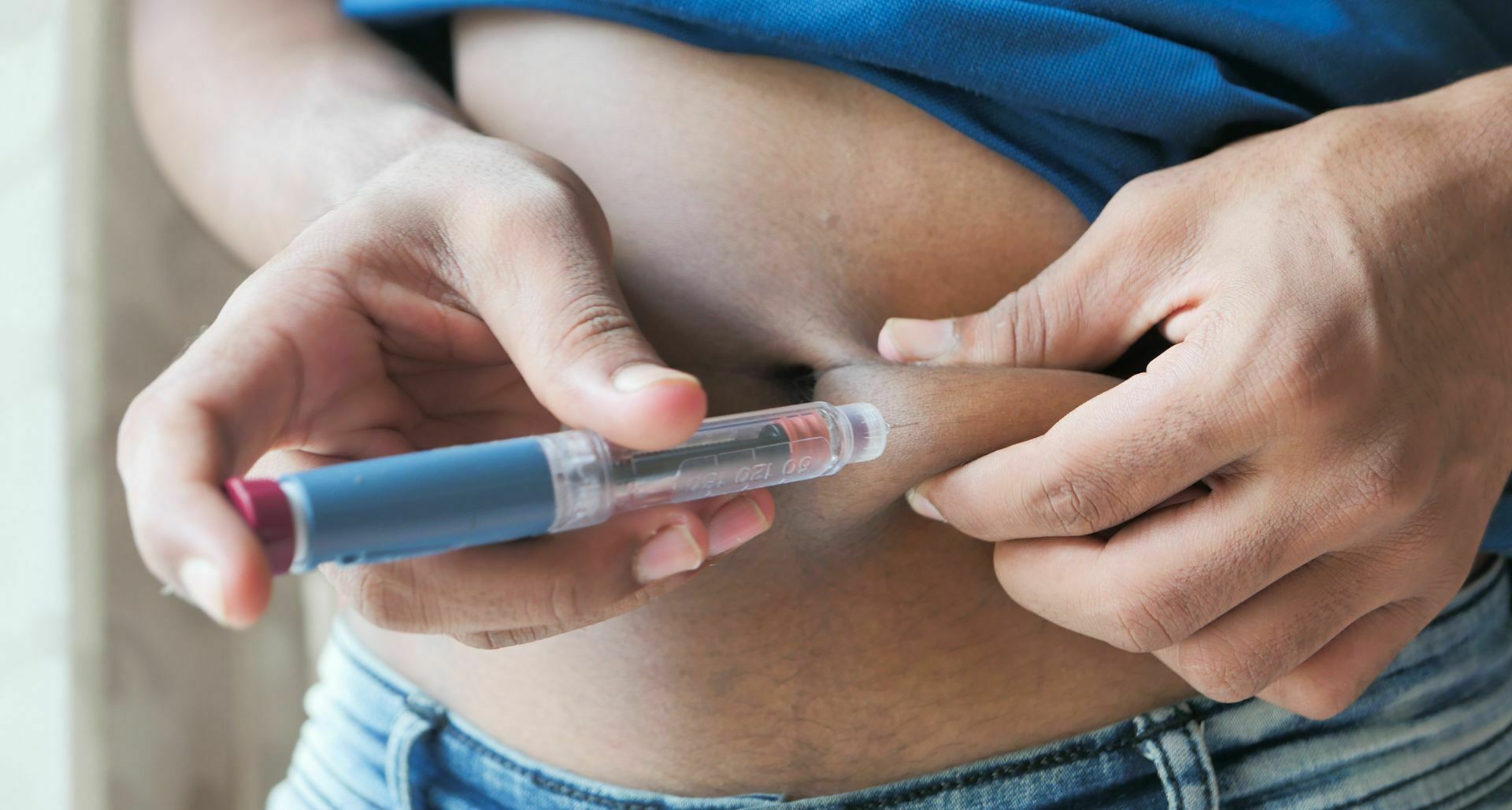
One of the most researched and clinically impactful options in modern medical weight loss is the class of glucagon-like peptide-1 (GLP-1) receptor agonists. These medications, originally developed for diabetes, now include products specifically approved for weight management.
GLP-1 receptor agonists work in two primary ways:
Examples of GLP-1 medications include weekly injectable prescriptions like semaglutide and tirzepatide, which clinicians may integrate into weight-management plans for appropriate candidates. These medications are overseen by a physician or clinician, ensuring dosing, safety monitoring, and integration with other aspects of health planning.
While GLP-1 therapies are not suitable for everyone, when used with medical supervision they can help many individuals achieve meaningful weight change as part of a broader, personalized program.
Medication alone rarely delivers long-term transformation; equally important is the integration of habit-based coaching and lifestyle guidance. Holistic programs emphasize:
The Healthy Habits Lifestyle Coaching Program at Lifestyle Wellness Clinic blends individualized coaching with continuous support to help clients cultivate routines that endure beyond a clinical intervention.
This form of coaching acknowledges that weight loss is not just about numbers on a scale — it’s about creating systems for sustained health and energy, often by shifting perspectives on nutrition, movement, and self-care.
No effective medical weight loss strategy overlooks the fundamental role of nutrition and activity. Personalized nutrition plans consider:
Physical movement recommendations equally focus on enjoyable, sustainable movement rather than overly strenuous regimens. Whether it’s walking, strength training, flexibility routines, or yoga, the goal is consistency that suits lifestyle and physical capacity.
Together, nutrition and movement make up the backbone of metabolic improvement, helping individuals maintain weight loss without compromising muscle mass or overall health.
Modern clinics often use diagnostic tools like body composition scans to more accurately assess progress. Unlike weight alone, body composition figures distinguish:
Tracking these metrics helps clinicians adjust plans in real time and supports clients in understanding their journey more holistically. Progress in body composition can often correlate with improved energy levels, better health markers, and reduced disease risk — even when scale weight doesn’t change dramatically.
Clinical research on weight-management medications, especially GLP-1 receptor agonists, demonstrates that these therapies can produce meaningful weight loss when combined with lifestyle interventions. In controlled trials, people using GLP-1 medications have seen significant reductions in body weight compared with placebo groups, emphasizing their role as effective additions to comprehensive treatment plans.
At the same time, clinicians emphasize that these medications work best when paired with supportive nutrition and lifestyle adjustments — not as standalone solutions. Integrating behavioral strategies, holistic coaching, and ongoing monitoring enhances long-term outcomes and supports overall well-being.
Medical weight loss is a journey, not a destination. Sustainability hinges on several factors:
Clinically guided programs focus on long-term health improvements rather than quick fixes. Approaching weight management as a comprehensive lifestyle commitment reduces the likelihood of rebound weight gain and positions the individual for lifelong well-being.
While medical weight loss has grown in popularity, it’s important to understand what it is — and what it isn’t:
Ultimately, informed decision-making and professional guidance help individuals find the right blend of strategies that align with their health history, current status, and personal goals.
Medical weight loss, when framed within a structured clinical pathway, offers a scientifically grounded, individualized route toward lasting wellness. By combining evidence-based medication options, personalized coaching, dietary planning, behavioral strategies, and advanced monitoring, individuals can navigate their weight journeys with clarity, support, and confidence.
Lifestyle Wellness Clinic
📍 7111 Forthun Rd Ste 200, Baxter, MN 56425
📞 (218) 820-1516
📧 office@lifestylewellnessclinic.com