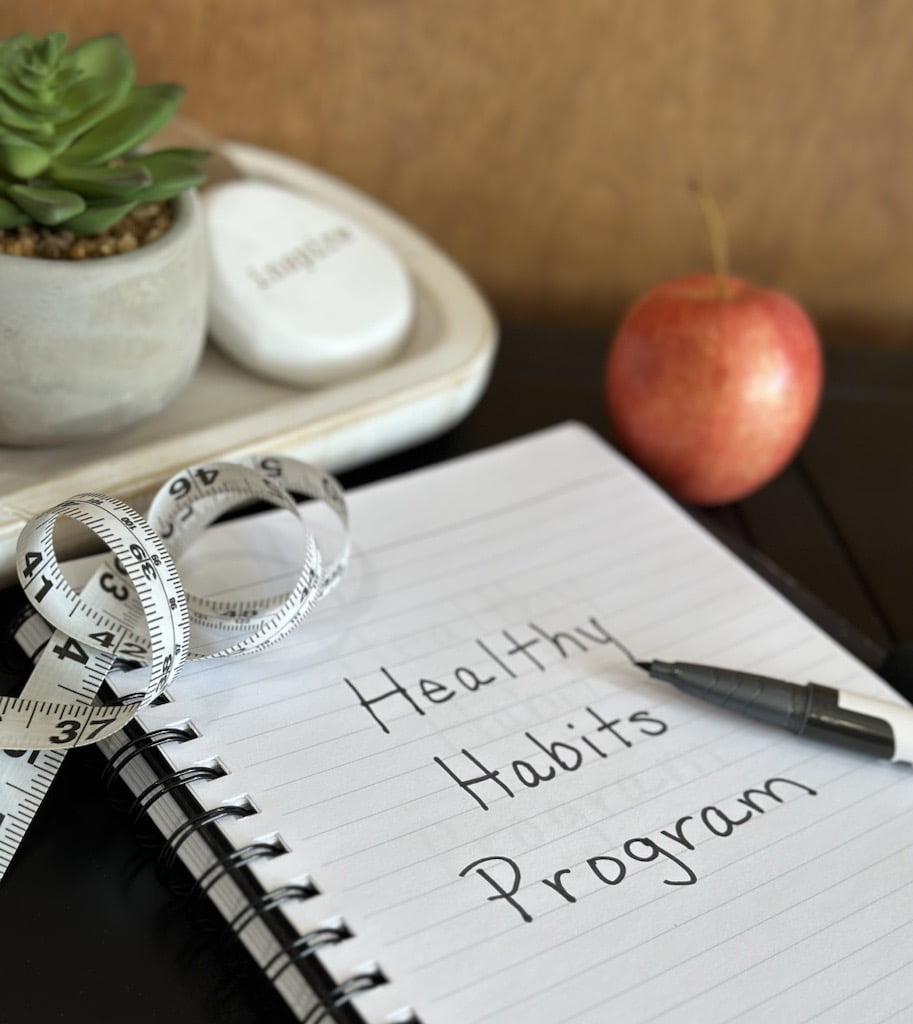
Building a healthier lifestyle rarely happens overnight. Sustainable wellness is typically the result of consistent habits developed gradually over time. While many individuals begin their health journey focused primarily on diet or exercise, research increasingly shows that lasting transformation is most often achieved through comprehensive lifestyle change rather than isolated efforts.
Healthy habits coaching programs are designed to support this long-term transformation. These programs combine structured guidance, personalized goal setting, and accountability to help individuals adopt healthier behaviors in a manageable and sustainable way. At Lifestyle Wellness Clinic in Baxter, Minnesota, healthy habits coaching is one component of a broader wellness approach that integrates lifestyle strategies with personalized wellness services.
This article explores how healthy habits coaching works, why behavior-based programs are effective, and how individuals can benefit from developing a personalized wellness strategy grounded in everyday habits.
Healthy habits coaching focuses on helping individuals develop practical lifestyle behaviors that support overall wellness. Rather than emphasizing rapid or restrictive approaches, coaching programs encourage consistent changes that become part of daily routines.
Lifestyle coaching typically addresses several key areas:
• Nutrition and eating patterns
• Physical activity and movement
• Stress management
• Sleep quality
• Behavior change strategies
• Accountability and motivation
The goal is to create a balanced lifestyle framework where healthy decisions become sustainable habits instead of short-term efforts.
At Lifestyle Wellness Clinic, the Healthy Habits Lifestyle Coaching Program provides individualized guidance designed to support nutrition, movement, stress management, and other lifestyle adjustments that contribute to long-term wellness.
Habits shape many aspects of daily life. From eating patterns to sleep schedules and activity levels, the routines people repeat consistently tend to determine long-term health outcomes.
Research in behavioral psychology suggests that nearly half of daily actions are habit-based rather than conscious decisions. When healthy behaviors become automatic, maintaining wellness becomes significantly easier.
Some examples of positive health habits include:
• Consuming balanced meals throughout the day
• Staying physically active through regular movement
• Managing stress through mindfulness or relaxation techniques
• Maintaining consistent sleep schedules
• Hydrating properly and limiting processed foods
Healthy habits coaching programs focus on building these behaviors gradually so they become sustainable parts of everyday life.
One of the defining features of lifestyle coaching programs is personalization. Every individual has unique goals, health considerations, schedules, and motivations. What works for one person may not be effective for another.
Personalized coaching allows wellness professionals to tailor strategies around each individual’s circumstances. This may include:
• Identifying realistic health goals
• Creating customized nutrition strategies
• Designing manageable movement routines
• Addressing lifestyle barriers such as stress or time constraints
• Adjusting strategies based on progress
At Lifestyle Wellness Clinic, coaching programs emphasize individualized guidance that adapts to each client’s needs, helping them develop sustainable habits without feeling overwhelmed.
This personalized approach is one reason coaching programs often lead to stronger long-term results compared with generic diet plans or fitness programs.
Healthy habits coaching programs generally incorporate several structured components designed to support behavior change and long-term success.
The process often begins with identifying personal goals. These may include weight management, improved energy levels, better nutrition habits, or enhanced overall wellness.
Assessments help determine:
• Current lifestyle patterns
• Health priorities
• Behavioral challenges
• Potential barriers to success
Understanding these factors allows coaches to develop targeted strategies for improvement.
Nutrition is a central component of most wellness programs. However, coaching programs often emphasize practical eating habits rather than restrictive dieting.
Nutrition coaching may include guidance on:
• Balanced meal planning
• Portion awareness
• Nutrient-dense food choices
• Low glycemic eating strategies
• Consistent eating patterns
These strategies help individuals build healthier relationships with food while supporting long-term wellness.
Regular movement plays a key role in metabolic health, weight management, and overall well-being. Coaching programs often encourage enjoyable forms of movement rather than rigid exercise regimens.
Examples of recommended activities may include:
• Walking routines
• Strength training
• Flexibility exercises
• Recreational activities
• Low-impact movement programs
Consistency is typically prioritized over intensity, allowing individuals to build sustainable physical activity habits.
Stress can influence many aspects of health, including sleep, appetite, energy levels, and motivation. Healthy habits coaching often incorporates stress-management techniques to support overall wellness.
These may include:
• Mindfulness practices
• Breathing exercises
• Time management strategies
• Relaxation techniques
• Lifestyle balance strategies
Managing stress effectively helps individuals maintain healthy routines even during challenging periods.
Understanding how habits form can help explain why lifestyle coaching programs are effective. Behavioral research suggests that habits develop through a cycle known as the “habit loop,” which includes:
Over time, repeating this loop strengthens the habit until it becomes automatic.
Healthy habits coaching uses this concept to help individuals establish routines that promote wellness. For example, pairing morning hydration with an existing routine such as breakfast can gradually establish a long-term habit.
According to research on behavior change and health outcomes, structured coaching and accountability significantly improve the likelihood of maintaining new habits over time.
Another major benefit of coaching programs is accountability. When individuals receive ongoing support and feedback, they are often more likely to maintain consistency with their goals.
Accountability may include:
• Regular check-ins
• Progress tracking
• Adjusting strategies when needed
• Encouragement and motivation
• Celebrating milestones
These elements help individuals stay engaged in their wellness journey while building confidence in their progress.
Healthy habits coaching can also complement other wellness services and therapies. For example, body composition assessments, metabolic support programs, and wellness therapies can provide additional insights into progress and overall health.
Lifestyle Wellness Clinic offers a variety of holistic wellness therapies designed to support individuals throughout their health journey. These therapies can work alongside lifestyle coaching to provide a more comprehensive wellness strategy.
When lifestyle habits, wellness therapies, and personalized guidance are integrated, individuals often gain a deeper understanding of how their daily behaviors influence overall health.
While short-term health goals often focus on weight or fitness milestones, the long-term benefits of healthy habits extend far beyond those metrics.
Some potential benefits of sustained healthy habits include:
• Improved energy levels
• Better metabolic health
• More consistent sleep patterns
• Improved mood and mental clarity
• Enhanced overall well-being
By focusing on lifestyle change rather than temporary solutions, coaching programs aim to support lasting wellness improvements that continue long after the program ends.
One of the most important outcomes of healthy habits coaching is the development of a sustainable wellness mindset. Rather than approaching health as a series of temporary efforts, individuals learn to view wellness as an ongoing lifestyle.
This mindset encourages:
• Flexibility rather than perfection
• Long-term consistency
• Balanced decision-making
• Self-awareness and personal responsibility
When individuals adopt this perspective, they are better equipped to maintain progress even when life circumstances change.
Healthy habits coaching provides a structured yet flexible framework for developing sustainable wellness practices. By combining personalized guidance, behavioral science, and ongoing accountability, coaching programs help individuals establish routines that support long-term health.
Rather than focusing solely on short-term outcomes, these programs emphasize lasting lifestyle change. Through nutrition awareness, movement, stress management, and consistent support, healthy habits coaching offers a practical pathway toward sustainable wellness.
For individuals exploring lifestyle-based wellness programs, understanding the principles behind habit formation and coaching strategies can provide valuable insight into how meaningful health improvements are achieved and maintained over time.
Lifestyle Wellness Clinic
7111 Forthun Rd Ste 200
Baxter, MN 56425
Phone: (218) 820-1516
Email: office@lifestylewellnessclinic.com