At Lifestyle Wellness Clinic in Baxter, MN, the emphasis isn’t just on shedding pounds — it’s on cultivating a lifestyle of wellness that carries forward. Their approach blends personalized coaching, modern therapies, and individual-tailored programming to support weight-loss efforts that are sustainable.
In this post, we’ll dive into how sustainable weight-loss is less about drastic restriction and more about assembling the right habits, supports, and mindset. We’ll reference one of their programs and general best practices in the industry — you can adapt these ideas whether or not you become a client.
1. Why “dieting” often fails
Many weight-loss attempts begin with a strong surge of enthusiasm — new diet, fancy plan, big goal. But what often happens is: the diet ends, the old habits return, and the lost weight creeps back. The reason: most efforts focus on short-term change rather than long-term habit development.
At Lifestyle Wellness Clinic, the language already shifts toward “mind, body and soul” transformation and emphasizes that no body is the same, so no plan should be generic.
Some reasons diets fail:
- They’re overly restrictive, leading to burnout or rebound eating
- They ignore underlying lifestyle factors (sleep, stress, movement, nutrition)
- They treat weight loss as a strictly “calories in / calories out” game, rather than a holistic wellness journey
- They lack accountability, coaching or personalized adjustment
By contrast, a habit-based approach asks: What small changes can you add now that you can carry forward? What supports will help you adjust when life gets busy?
2. The habit framework: micro-adjustments, consistency, and built-in supports
Here’s how you can think about building sustainable habits — many of which align with the principles at Lifestyle Wellness Clinic’s “Healthy Habits Lifestyle Coaching Program”.
a) Micro-adjustments
Rather than overhauling your entire life at once, choose one or two manageable changes. For example:
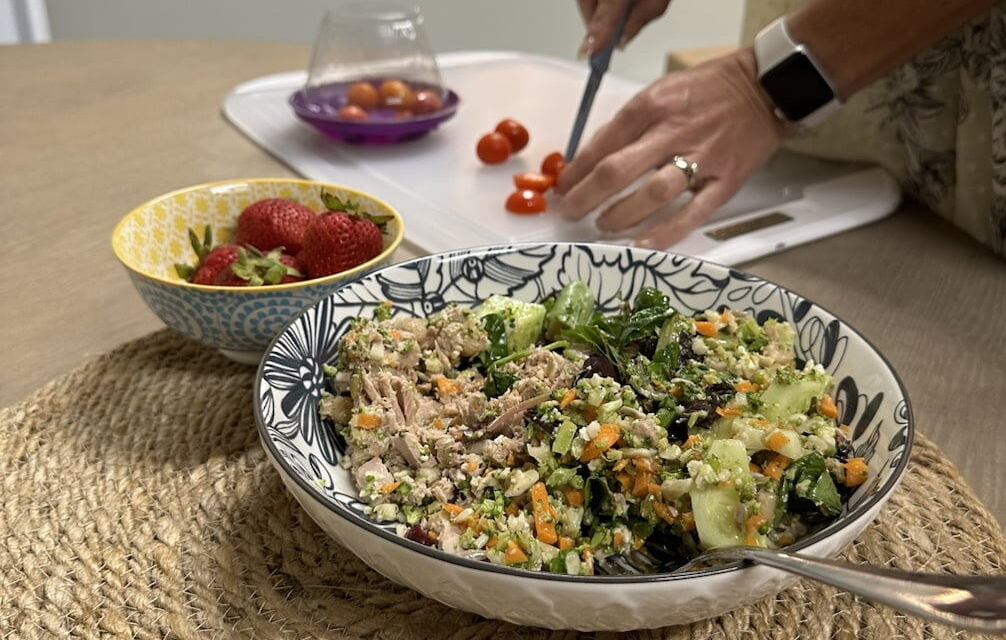
- Add one extra serving of vegetables at lunch
- Walk five minutes after dinner instead of immediately sitting down
- Set a consistent bedtime and limit screen time an hour before
b) Consistency over perfection
It’s better to follow a good habit 80% of the time than be perfect 30% of the time. Consistency builds momentum, rewires neural pathways, and leads to more stable results. The clinic emphasizes personalized coaching to help with accountability.
c) Built-in supports & environmental design
You’re far more likely to sustain habits when you design your environment and supports around them:
- Place your water bottle on your desk
- Prep vegetables in advance so they’re visible and easy to grab
- Use reminders or habit-tracking tools
- Align with a coach, friend or partner for accountability
Lifestyle Wellness Clinic also offers wellness therapies and bio-feedback tools (body composition scans, lymphatic therapy, vibration therapy) that support the changes on a physical level.
3. Integrating modern therapies — when and how they help
While habits provide the foundation, adjunct therapies can serve as accelerants or supports, especially for individuals who have underlying metabolic, hormonal or structural barriers to weight-loss. At Lifestyle Wellness Clinic, several of these are part of the offering:
Semaglutide and GLP-1 medications (e.g., weekly injections): These medications mimic the body’s GLP-1 hormone, influencing appetite and satiety. Recent meta-analysis shows they deliver meaningful results: a review found GLP-1 receptor agonists reduced weight by an average of about 4.6 kg (~10 lbs) in adults with overweight/obesity vs placebo. Real-world studies show even greater losses for some when combined with coaching and lifestyle change.
Body composition & bio-feedback tools: Instead of just tracking scale weight, knowing lean muscle mass, fat mass, and bone health gives you a fuller picture of wellness. The clinic uses STYKU body scans for that purpose.
Infrared sauna, lymphatic pressotherapy, vibration therapy: These are supplemental aids — helping with circulation, detoxification, stress relief, and sometimes fat-loss or inch-loss. While not miracles alone, they can enhance the ecosystem of wellness when the habit groundwork is sound.
Important caveat: These therapies are most effective when paired with lifestyle changes — they don’t replace nutrition, movement, sleep or stress management.
4. From habit to lifestyle: bridging the transition
The real shift happens when you move from “doing a program” to “living a lifestyle”. Here’s how to bridge that gap with concrete steps:
- Reframe your story. Instead of “I’m on a diet for three months”, think “I’m building a healthy rhythm for decades”. The clinic emphasizes that your health outcome is determined by your choices, not just by insurance or short-term plans.
- Celebrate non-scale victories. Improved sleep, higher energy, fewer aches and pains, better mood — all count and build motivation. The clinic features client testimonials emphasizing exactly this: “I feel healthier, I sleep better and I have more energy.”
- Prepare for life’s seasons. When challenges come (business travel, family demands, illness), having a resilient habit foundation helps you recalibrate rather than restart.
- Set tiered goals. Long-term (“maintain healthy weight for next 10 years”), medium-term (“sustain for next 12 months”), and short-term (“establish routine for next 4 weeks”) helps you map habit phases.
- Review and adjust. Just as the clinic offers personalized plans (“no body is the same”), you should reassess periodically. What’s working? What isn’t? Where is friction? Then adjust.
5. The science behind why this approach works
Let’s ground this in science to bolster its credibility.
- The aforementioned meta-analysis of 47 randomized controlled trials found GLP-1 receptor agonists significantly reduced body weight, BMI and waist circumference compared to placebo.
- A study from the Cleveland Clinic revealed that real-world weight loss with semaglutide and similar medications was lower than in clinical trials when patients discontinued treatment or used lower doses — underscoring the importance of persistence + lifestyle support.
- Habit-formation science tells us that small behavioural changes repeated consistently over time lead to rewiring of neural pathways and automaticity (the behaviour becomes second-nature). While the clinic doesn’t cite this directly, their coaching framework is aligned with this principle.
6. How you can implement your own sustainable framework
Here are steps you can take right now, whether you choose to work with a clinic or pursue on your own:
- Define your “why”. Why do you want this change? More energy? Better mobility? To keep up with children or grandchildren? Tie your habits to meaningful outcomes.
- Choose one new habit. E.g., “Before I go to bed, I’ll prepare 2 servings of vegetables for tomorrow’s lunch.”
- Set a tracking mechanism. A simple checklist, an app, or partner check-in keeps you accountable.
- Schedule a review every 2-4 weeks. What’s working? What’s challenging? What minor tweak might make this habit easier?
- Add a support structure. This could be a wellness coach, friend, group, or simply a recurring meeting with yourself.
- Create an environment that nudges you. Make the healthy choice easier; make the less-healthy choice slightly harder.
- Expand gradually. Once the initial habit is solid (you’re doing it consistently for ~3-4 weeks), add another. Over months, you’ll build a constellation of supportive habits.
- Consider adjunct therapies if needed. If metabolism, hormonal factors, or prior history suggest a plateau, consider therapies like body-composition scans or medically supervised weight-loss medications — always in consultation with a qualified provider.
7. What makes Lifestyle Wellness Clinic different
Several factors stand out in how Lifestyle Wellness Clinic positions itself:
- They state explicitly that “no body is the same … and your wellness plan shouldn’t be either.”
- They combine coaching, habit-development, and a suite of advanced therapies (body composition, vibration therapy, infrared sauna etc.) to support holistic change.
- They emphasize beyond insurance-defined care: “your health outcome will be determined by YOUR choices.”
- They show client testimonials that highlight both scale weight changes and non-scale improvements (sleep, energy, confidence).
By aligning with a clinic like this, you’re tapping into a structured environment, but the fundamentals still remain the habits you build on a daily basis.
8. Key takeaways
- Sustainable weight-loss isn’t about short-term fixes — it’s about building a lifestyle.
- Habit formation (small change + consistency + support) is foundational.
- Modern therapies can enhance but don’t replace the habit infrastructure.
- Realistic expectations: research shows significant efficacy of medications, yet real-world outcomes depend heavily on persistence and lifestyle integration.
- Choose a program or path where you’re treated as an individual, your plan is tailored, and supports for mindset, stress, sleep, movement are in place.
- Every individual’s journey is unique — but the principles of building habits, reviewing progress, and adjusting remain universal. For general information on GLP-1 receptor agonists and weight loss.