In recent years, red light laser therapy has emerged as a compelling addition to holistic wellness practices, blending modern technology with natural healing principles. From skin rejuvenation to cellular support, this non-invasive therapy appeals to individuals seeking alternatives or complements to traditional treatments. At Lifestyle Wellness Clinic, red light laser therapy is part of a broader suite of therapeutic options designed to enhance overall health and comfort.
This reference guide explains what red light laser therapy is, how it functions at a biological level, the range of potential benefits supported by research, considerations around safety and effectiveness, and practical context for those interested in this form of treatment.
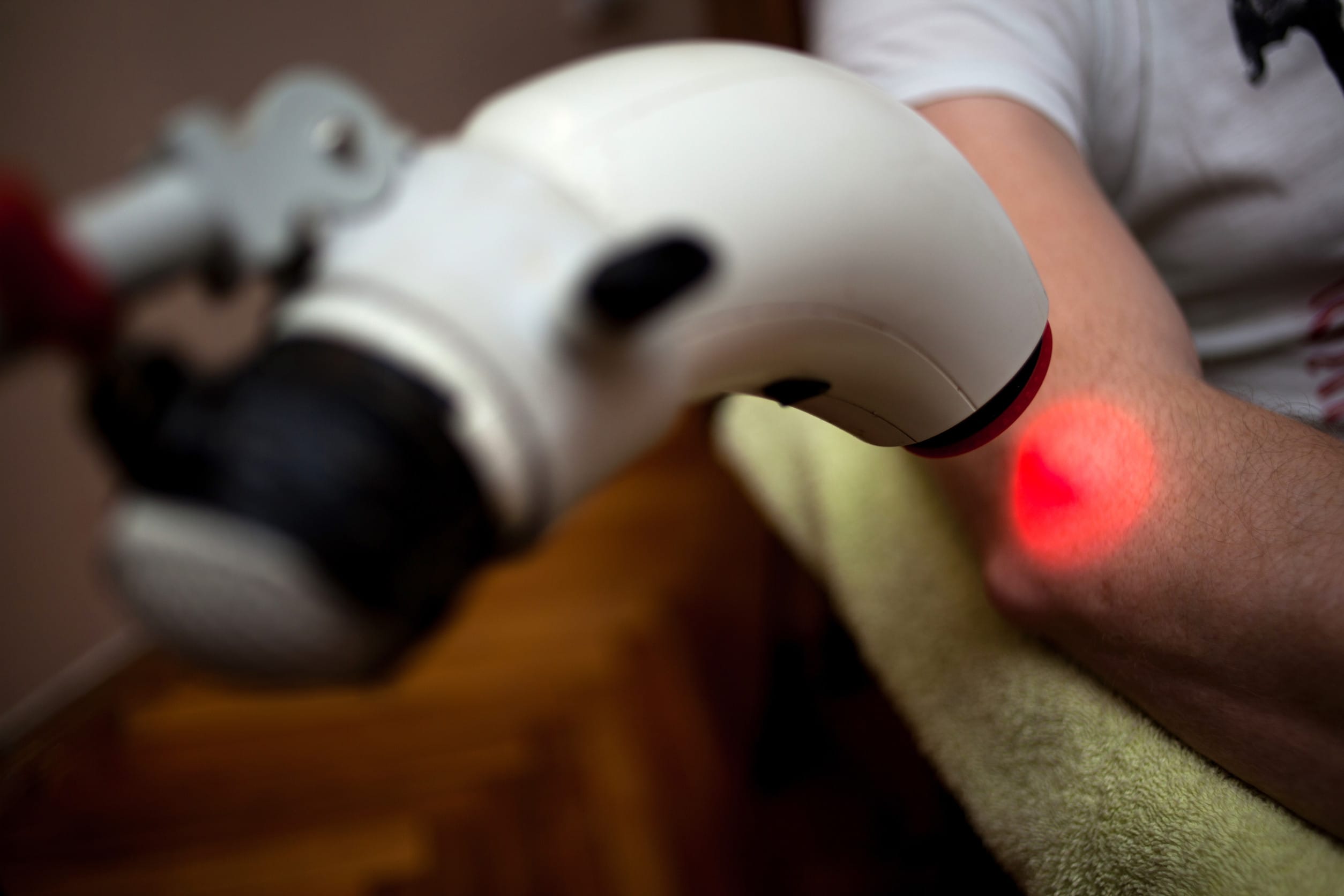
Red light laser therapy — often referenced in clinical and wellness settings as red light therapy (RLT) or photobiomodulation — uses specific wavelengths of red and near-infrared light to penetrate the skin without heat or ultraviolet (UV) radiation. The light is absorbed by cells and believed to influence cellular activity in ways that may support healing and function. This type of energy-based therapy is considered non-invasive and is distinct from surgical lasers that ablate or otherwise physically alter tissue.
Within Lifestyle Wellness Clinic’s services, customizable LED light options — including red, along with blue, yellow, and green light — are used to improve circulation, stimulate cellular responses, and reduce signs of inflammation.
At the heart of red light laser therapy’s function is a process called photobiomodulation. In simple terms, cells absorb light energy and convert it into chemical energy, influencing key biological mechanisms such as:
This cellular interaction does not involve heat or UV exposure, making red light therapy distinct from other light-based procedures that rely on burning or damaging tissues to stimulate a regenerative response.
Red light laser therapy is used in clinical and wellness environments for a range of goals, though the strength of supporting evidence varies by application. Some of the commonly reported benefits include:
One of the best-documented areas of interest is skin enhancement. Research and clinical reports suggest that red light therapy may:
These effects stem largely from red light’s influence on cellular activity related to skin structure and repair.
Red light therapy has been explored for its role in reducing inflammation and supporting recovery from mild muscle or joint discomfort. While definitive conclusions still require further research, increased blood flow and cellular energy production are consistent mechanisms cited in studies and clinical observations.
By stimulating the mitochondria and enhancing local circulation, red light laser therapy is thought to assist cellular repair processes. This makes it a promising complementary option for improving recovery times after minor injuries or enhancing general tissue health.
Unlike surgical or ablative lasers that require downtime for healing, red light therapy tends to be non-invasive and does not damage or heat tissue. This characteristic allows individuals to integrate sessions into wellness routines without extended recovery periods.
While red light laser therapy shows potential in many areas, it’s important to approach this modality with balanced expectations:
Healthcare providers and wellness professionals stress the importance of consulting with trained practitioners to determine whether red light laser therapy is appropriate for individual needs.
At Lifestyle Wellness Clinic, red light laser therapy is offered as part of an integrated wellness portfolio that emphasizes non-invasive, supportive treatments. Their LED light therapy options allow customization of spectrums — including red light — to address specific skin and wellness goals such as inflammation reduction, collagen stimulation, and improving overall skin quality.
By combining advanced light therapy with other holistic services, the clinic helps clients build multi-layered strategies for health and rejuvenation.
Interest in red light laser therapy extends across medical, aesthetic, and wellness communities. Early research suggests potential benefits in areas like skin health, pain management, and cellular recovery, though the scientific community continues to explore the full scope and limitations of these effects.
As technology advances and more clinical studies are completed, red light laser therapy’s role in integrative wellness — from preventive care to aesthetic enhancement — may continue to expand.
Resources: