If you’ve ever worked hard on your health only to watch the scale fluctuate in ways that make no sense, you’re not alone. One week you’re consistent, sleeping better, walking more, cooking at home—and the number barely moves. The next week is busier, maybe even messier, and suddenly you’re down a couple pounds. It can feel unfair, random, and honestly discouraging.
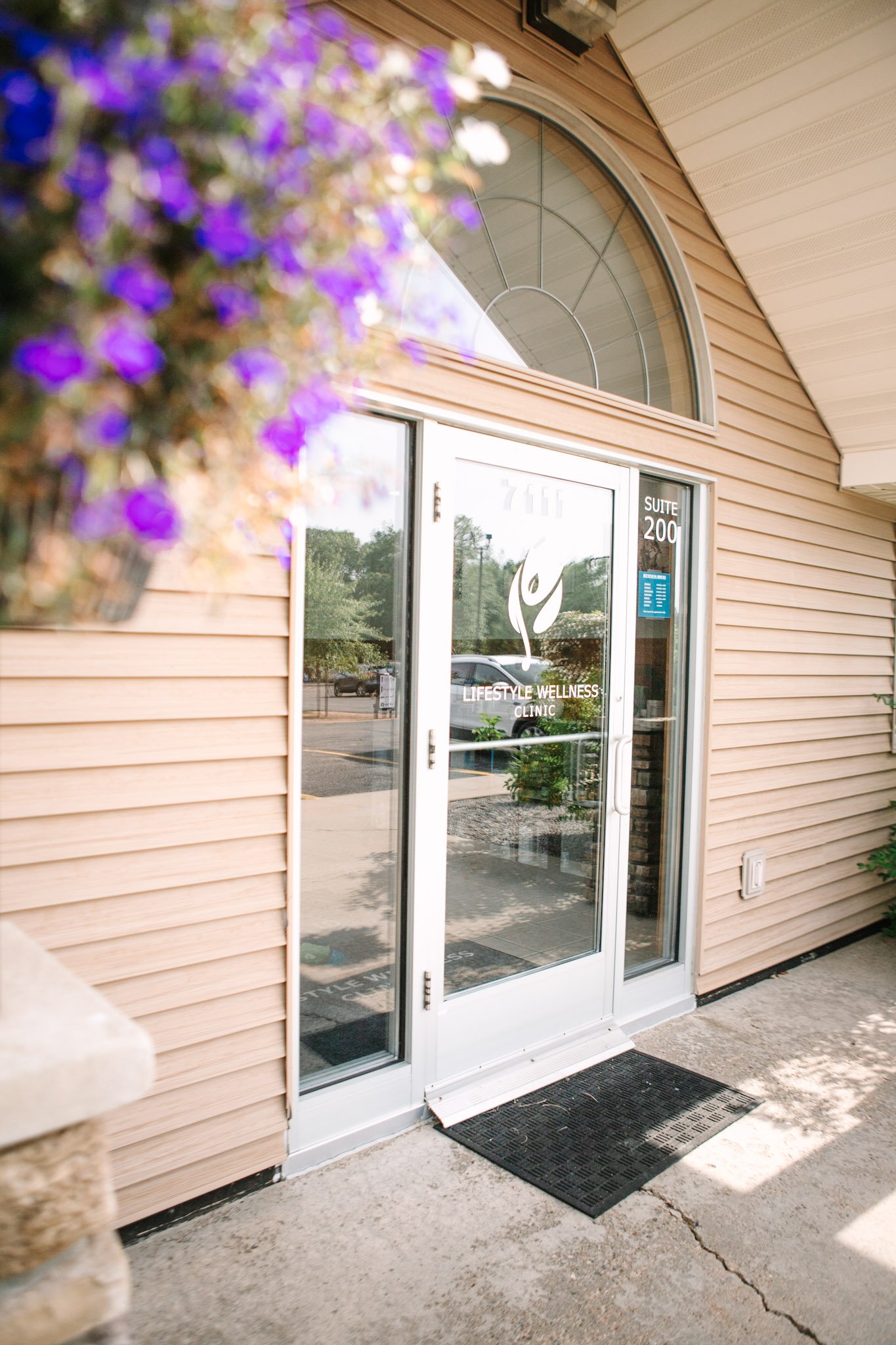
That’s exactly why more modern, holistic clinics are shifting focus away from “scale-only weight loss” and toward body composition and whole-person progress. Lifestyle Wellness Clinic in Baxter, Minnesota sits squarely in that newer approach. The clinic’s public materials describe individualized weight-loss programs built around mind-body integration, regular lifestyle coaching, and supportive therapies, with medical oversight available when appropriate. The goal is a sustainable transformation based on how your body is functioning—not just how much it weighs.
This post is a reference guide to a specific, slightly different topic than typical weight-loss articles: why tracking body composition and functional wellness markers can make weight loss clearer, steadier, and healthier—especially in real Minnesota life. It draws on Lifestyle Wellness Clinic’s program structure and therapies (including modern assessment tools), and pairs that with a couple of non-competitive, authoritative wellness resources for context. As the clinic notes, its services are educational and wellness-oriented, not a replacement for medical care for illness.
The bathroom scale tells you one thing: total body mass at a moment in time. And it tells that one thing with a lot of interference.
Your weight changes day-to-day because of shifts in:
You can be losing fat and gaining muscle, or reducing inflammation and improving metabolism, and still see a “flat” scale for stretches. That’s not failure. That’s physiology.
Holistic weight-loss programs—like the customized, coaching-guided model Lifestyle Wellness Clinic describes—tend to treat the scale as one signal out of many, not the referee of success.
Body composition breaks weight into meaningful parts, usually focusing on:
Two people can weigh the same and have dramatically different health profiles depending on how those parts are distributed. That’s why clinics increasingly track composition over time rather than chasing a single number.
Lifestyle Wellness Clinic’s therapies and services list highlights modern measurement and support tools (including body composition analysis in their holistic therapy suite). That fits a composition-first mindset: you measure what matters so your plan can change intelligently.
A lot of weight-loss fatigue comes from ambiguity. When your only metric is the scale, you can’t tell whether your habits are working until weeks later. That delay creates stress and often pushes people into extreme adjustments that don’t last.
Composition tracking changes the psychology in three helpful ways:
If fat mass is dropping but muscle is stable or rising, you’re moving in the right direction—even if your total weight is slow to follow.
A “plateau” on the scale might actually be a recomposition window: you’re adding or preserving lean mass while fat reduces.
Healthy nutrition, strength training, and good sleep tend to show up clearly in lean-mass preservation and body-fat trend lines.
This is a quiet but big deal: when people can see how their body responds, they’re less likely to quit during normal fluctuations.
Data doesn’t help by itself. It helps when it informs decisions. Lifestyle Wellness Clinic’s process emphasizes individualized plans, regular coaching, and adjustments designed around your goals and lifestyle. Composition tracking can feed that process in practical ways:
In other words, composition tracking upgrades a program from “follow rules” to “run experiments with feedback.”
In the Brainerd Lakes area, wellness is seasonal whether you want it to be or not. Winter changes:
Those changes can increase water retention and slow scale-based loss even when you’re doing well. A winter month might show flat scale trends but steady fat-loss trends underneath.
That is one reason local, individualized clinics can be so effective: they build programs for the environment you live in, not the environment a national diet company imagines.
Lifestyle Wellness Clinic’s coaching-supported model is designed to adapt to personal lifestyle context—including Minnesota seasonality—rather than fighting it.
Body composition is a measurement concept, but wellness is still behavioral. The clinic emphasizes regular lifestyle coaching as the backbone of lasting results.
This coaching helps clients notice “non-scale victories” that predict long-term success, such as:
These wins often happen before major scale change. And because coaching validates them, people stay engaged long enough for the body to catch up.
Lifestyle Wellness Clinic offers medically supervised semaglutide programs as one part of their approach. It’s important to frame this correctly: prescription tools can reduce appetite and support fat loss for some people, but they work best inside a full lifestyle system.
A composition-based clinic can use this kind of support to:
And just as importantly, composition tracking helps prevent the common “lose weight too fast and lose muscle too” problem.
Medication is never the story by itself. The story is how it integrates into nutrition, movement, sleep, and mindset.
Lifestyle Wellness Clinic lists multiple non-invasive therapies within its services—such as red light therapy, vibration therapy, and body contouring options. These aren’t positioned as stand-alone weight solutions; they’re support systems.
In a composition-first framework, supportive therapies can be used to help with:
Holistic programs work because the tools reinforce each other. If a therapy helps you feel better, you move more. If you move more, sleep improves. If sleep improves, appetite stabilizes. The loop continues.
Everyone’s program differs, but here’s a realistic pattern in a clinic like this:
This is where clarity rises quickly—you start seeing your own patterns rather than generic advice.
Scale might move here, but even if it doesn’t, fat trend lines usually start to show direction.
The biggest difference in this phase is psychological: the plan feels like something you’re living with, not fighting.
Lifestyle Wellness Clinic testimonials and blog content describe steady, personalized progress over multi-month timelines, aligning with this kind of staged change.
Composition-based holistic care especially helps people who:
Lifestyle Wellness Clinic’s messaging is built around customized, no-one-body-is-the-same programming, which is a natural fit for this kind of care.
Even outside any one clinic, major public-health institutions emphasize that healthy weight management is about sustainable lifestyle systems, not crash methods. The CDC notes that healthy weight is supported by consistent nutrition patterns, regular activity, sleep, and environmental habits that are maintainable. The National Institute of Diabetes and Digestive and Kidney Diseases similarly frames weight management as long-term behavior change supported by individualized strategies and, when appropriate, medical tools.
That perspective aligns closely with the Lifestyle Wellness Clinic model: coaching + personalization + supportive tools.
If you’ve been in the weight-loss world long enough, you’ve probably learned that the scale can be a moody friend. It reacts to stress, weather, sleep, salt, hormones, and timing. Body composition and functional-wellness tracking give you a clearer storyline: what’s actually changing inside your body as you build healthier patterns.
Lifestyle Wellness Clinic’s Baxter-based, holistic, coaching-supported approach is naturally suited to that storyline. It prioritizes the full system—nutrition, movement, recovery, mindset, and optional medical or therapy support—so results are not only visible, but livable.
Use this as a reference lens the next time you evaluate progress. When the scale is noisy, composition and habits often tell the truth.
Internal links:
https://lifestylewellnessclinic.com/weight-loss-plans/
External links:
https://www.cdc.gov/healthy-weight-growth/healthy-weight/index.html
https://www.niddk.nih.gov/health-information/weight-management/adult-overweight-obesity